

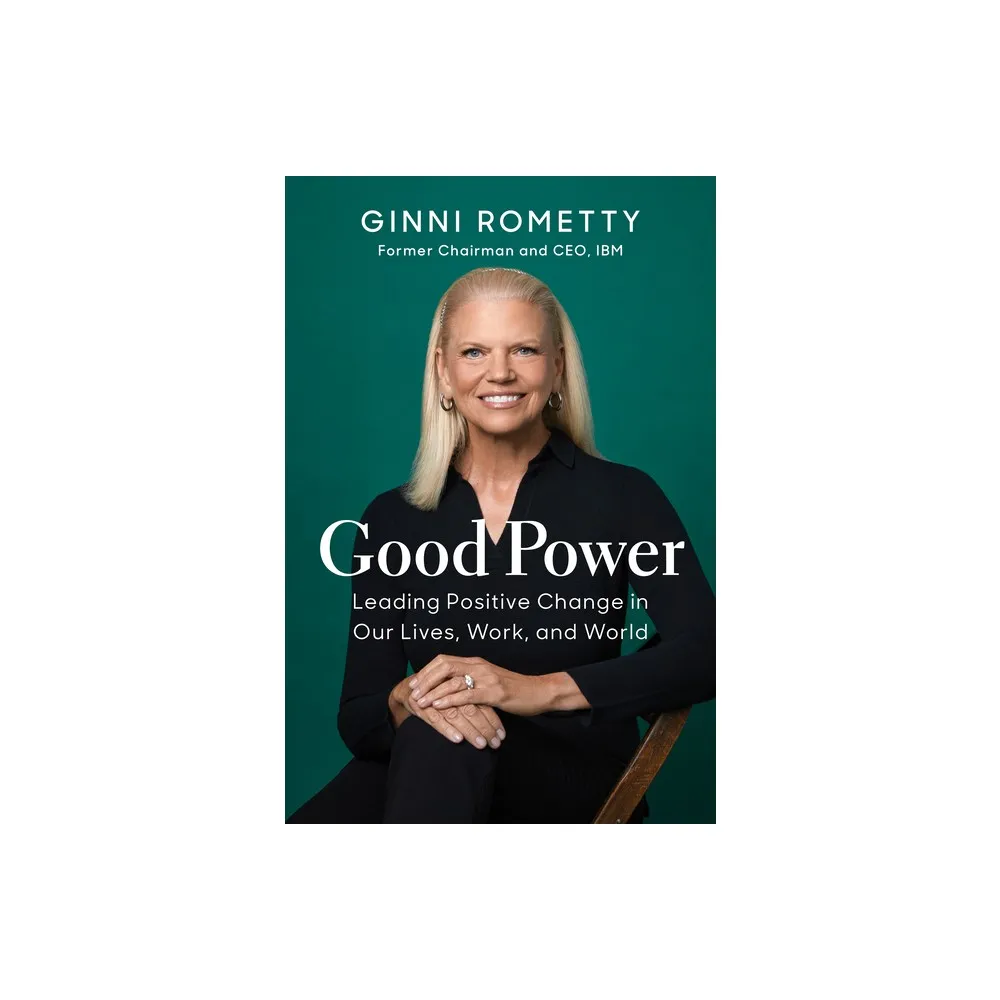
Rarely do I read a book that impacts me this much. Good Power isn’t just a memoir; it’s a leadership philosophy that challenges how we define influence, success, and service. Ginni Rometty’s journey, reveals not just the resilience required to lead but also the responsibility that comes with leadership.
What stood out most to me were her core ideas on leadership, values-driven decision-making, and her initiatives in skills-based learning. As someone passionate about education reform, I couldn’t help but draw parallels between her corporate strategies and what we need in education today.
Leadership: Power as a Force for Good
Rometty’s leadership philosophy is rooted in service and impact rather than authority and control. She redefines power, not as dominance, but as the ability to drive meaningful change for others. Instead of relying on hierarchy, she advocates for leading with vision, collaboration, and a relentless focus on value creation.
A phrase that stuck with me: “Growth and comfort do not coexist.” True leadership, she argues, requires embracing discomfort, stepping into the unknown, and taking on challenges that stretch us. Whether navigating IBM through digital transformation or advocating for more inclusive hiring practices, she never shied away from the hard but necessary changes.
This resonates deeply with me as an educator and leader. How do we create environments where students, educators, and organisations feel empowered to take risks and innovate? How can we teach leadership not as a position but as a responsibility to serve?
Values and Perspectives: Leadership Rooted in Service
One of Rometty’s most striking values is her belief in long-term impact over short-term wins. In a world obsessed with quick success, her commitment to building sustainable systems rather than just chasing quarterly targets is something I have personally believed in and was refreshing to read.
She also speaks about leading with empathy and conviction—a balance many leaders struggle to find. It’s not about being “soft”; it’s about making tough decisions while staying grounded in integrity and purpose.
This mindset applies far beyond corporate leadership. In education, in policy, in entrepreneurship—we need more leaders who recognise structural barriers but focus on building solutions rather than dwelling on limitations.
Skills-Based Learning and Employment: A Model for the Future
One of Rometty’s most impactful initiatives was IBM’s push for skills-based hiring over degree-based hiring. Under her leadership, IBM redefined its hiring strategy to focus on competencies rather than credentials, opening up high-value job opportunities for individuals who might not have traditional degrees but had the skills to thrive.
Her work on P-TECH (Pathways in Technology Early College High School) is especially inspiring. This program creates a bridge between education and employment, ensuring that students from underserved communities graduate with both knowledge and job-ready skills.
This raises important questions for education today:
- Why do we still prioritise academia over skills in so many industries?
- How can schools and universities adapt to focus more on real-world competencies?
- What role can businesses play in shaping education policy to better align with future workforce needs?
Rometty makes a compelling case for rethinking how we prepare young people for work—and it’s a challenge we must take seriously in both business and education.
Final Thoughts: Applying Good Power to Education and Leadership
Reading Good Power left me thinking deeply about how these principles apply beyond the corporate world. Leadership, when grounded in service, has the potential to transform industries—whether it’s business, education, or policy.
Her advocacy for skills-based employment feels especially urgent. If we want to create equitable opportunities, we need to break free from outdated models of education and hiring. What if we designed schools not just to award diplomas but to equip students with tangible skills that ensure employability and adaptability?
More than anything, Good Power is a reminder that true leadership isn’t about climbing to the top; it’s about using your position to create pathways for others to rise.
And that’s a philosophy I want to take forward in my own work.

Leave a comment